Our 148th entry in this blog is our first time trip to see a train museum, the SCMAGLEV and Railway Park in Nagoya, Japan. SCMAGLEV actually means Superconducting Magnetic Levitation. It is being developed by JR Central and is the main sponsor of this museum.
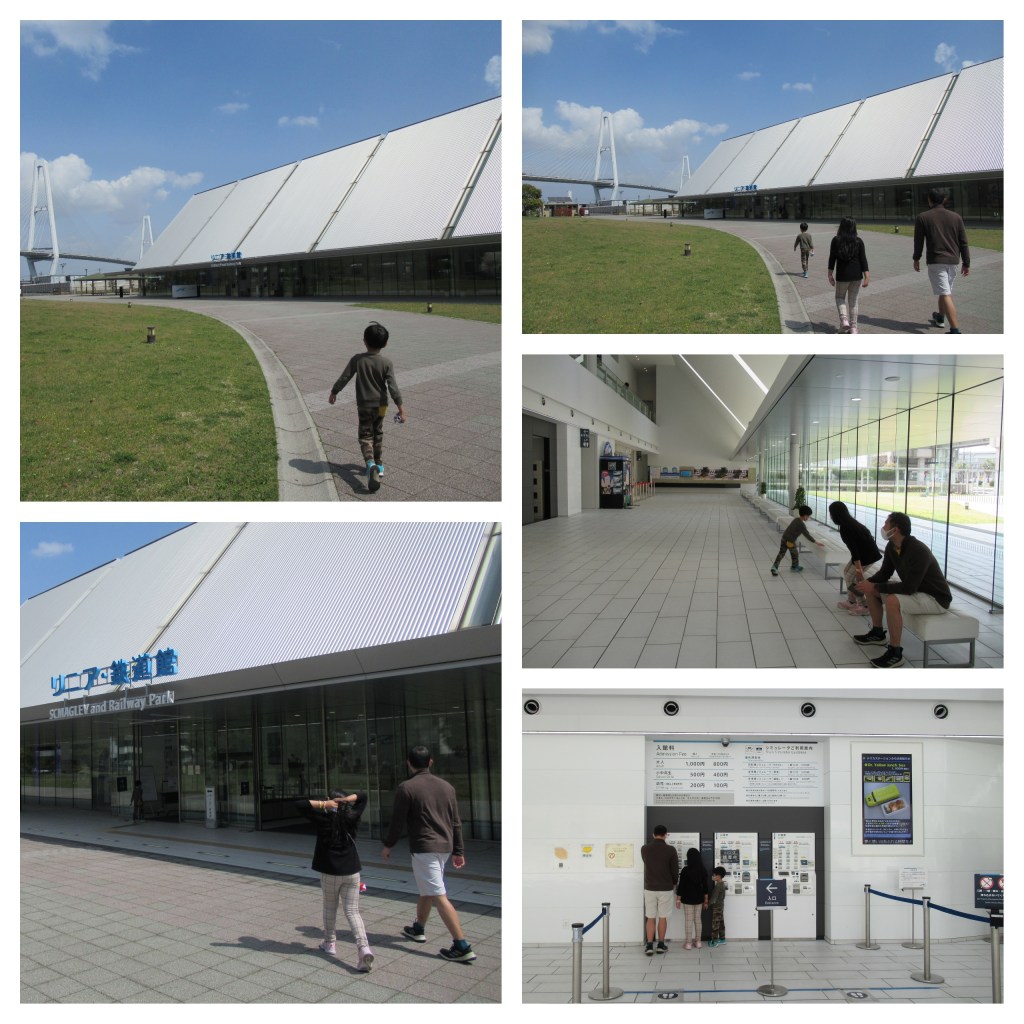
I have been expecting a huge huge place! Imagine a museum that displays trains? And not the miniature trains but the real ones! And indeed, the place is really huge. 🙂
“Opened March 14, 2011, this establishment introduces the evolution of high-speed railway technology through train car exhibits from local trains to the Superconducting Maglev train with a focus on the Tokaido Line bullet trains. You can learn about the workings of railroads and the progress of their histories through things like detailed railroad dioramas and bullet train driving simulators.” -https://www.nagoya-info.jp/en/spot/detail/16/
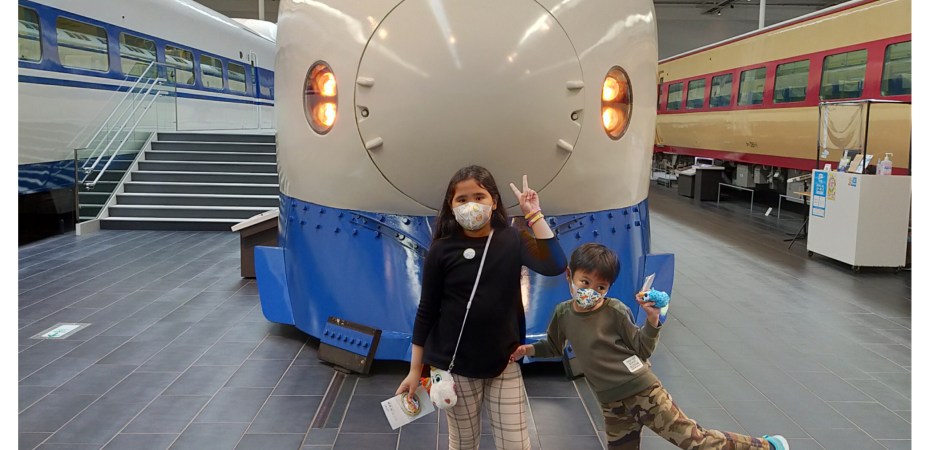
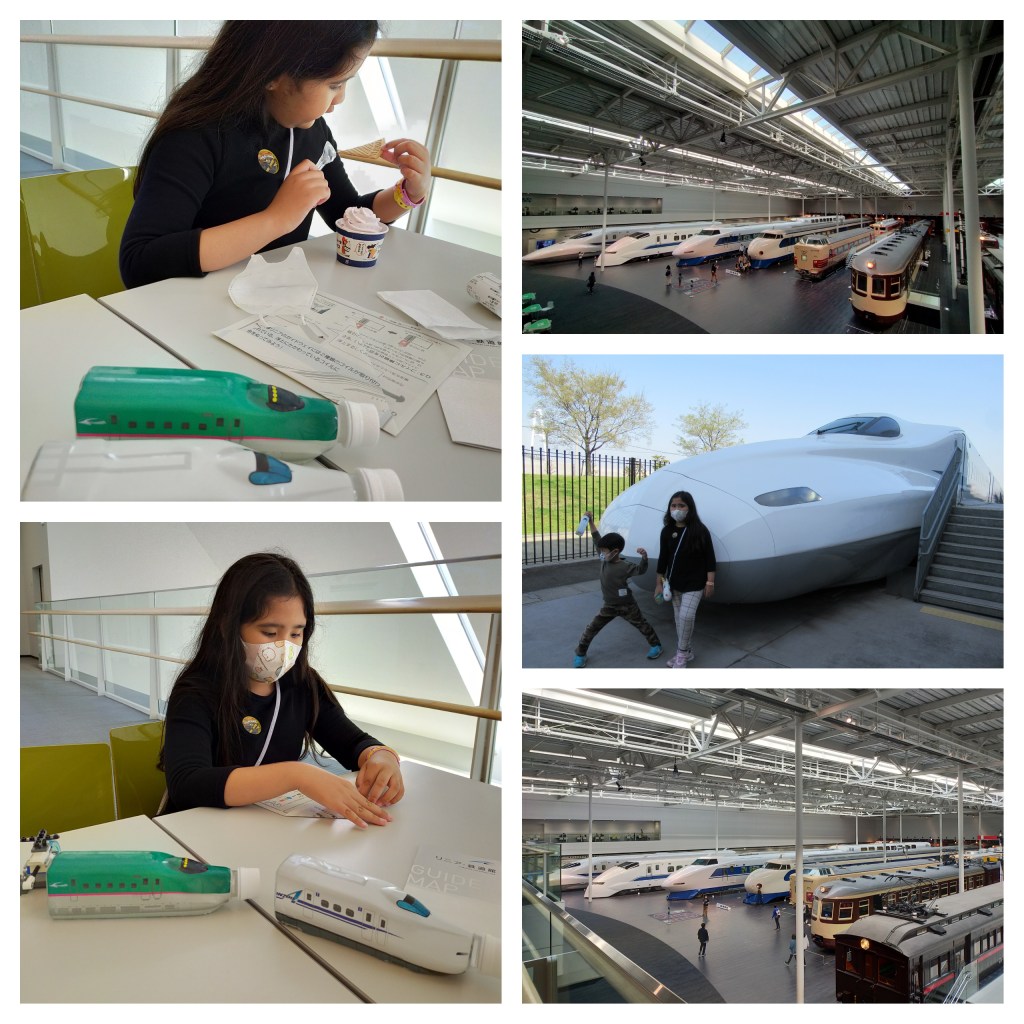
Just look at how small Ate Rei is while facing the huge train. Isn’t that cute! 🙂 Japan’s extensive, efficient, clean and orderly train services have long been admired around the world. This is a fascinating hands-on museum looking at the past, present and future of Japan’s railway systems and rolling stock.
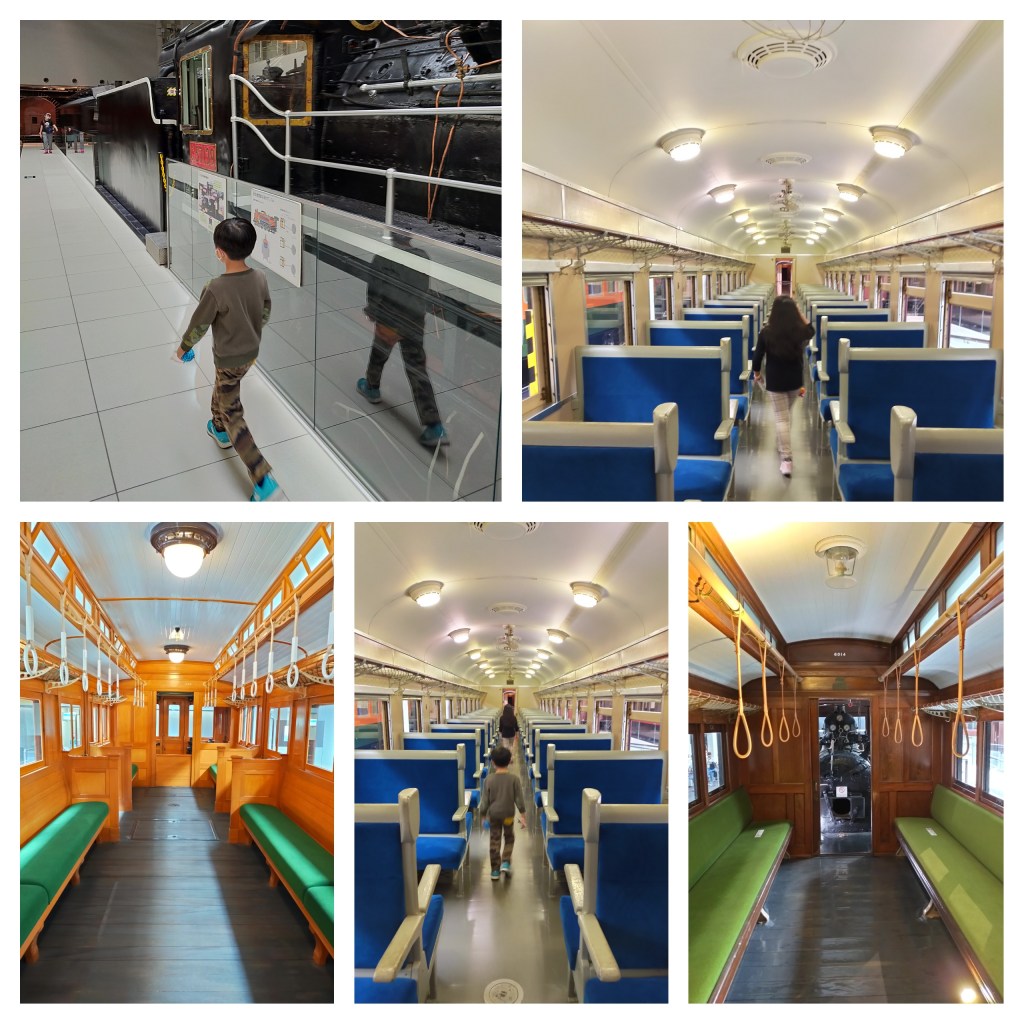
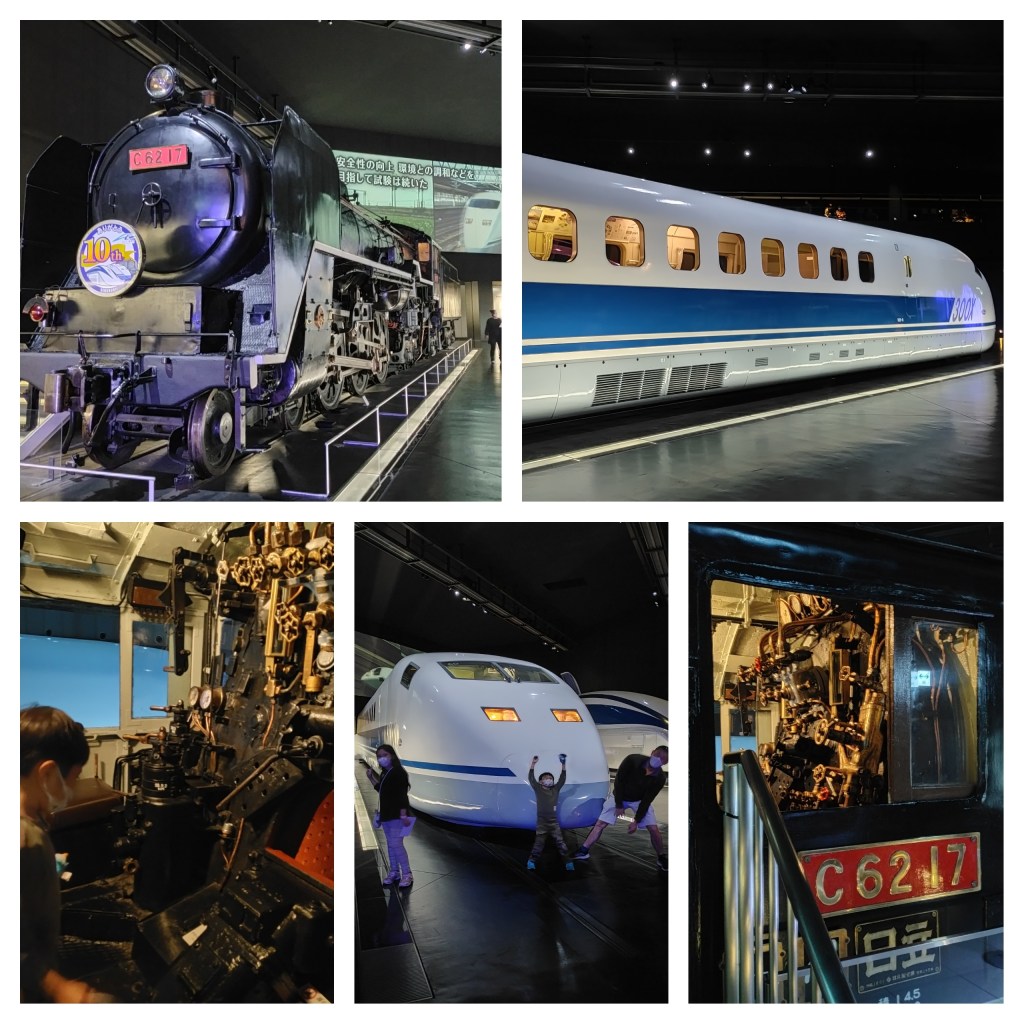
I am fascinated with all the displays and insides of the older train models. It’s very unique, clean, and I felt like I lived during those times just by standing in these old aisles.
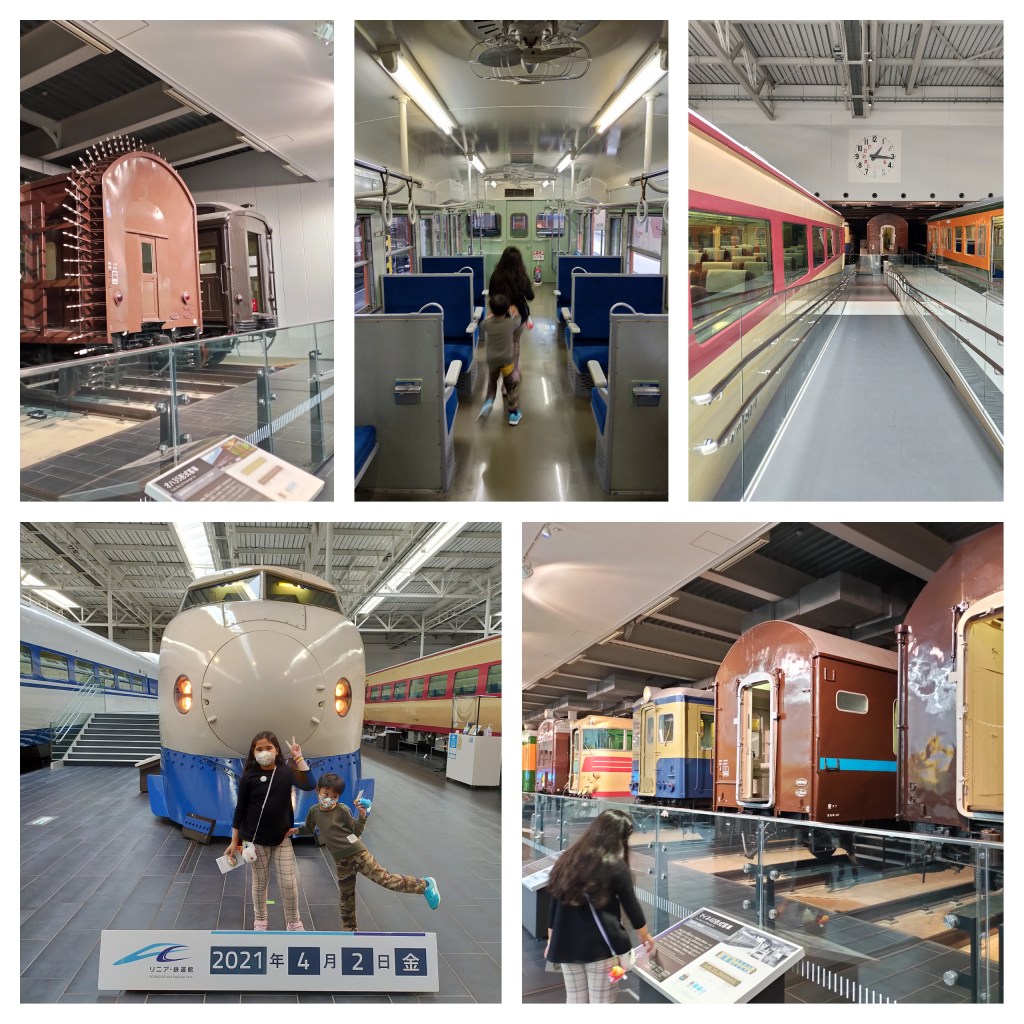
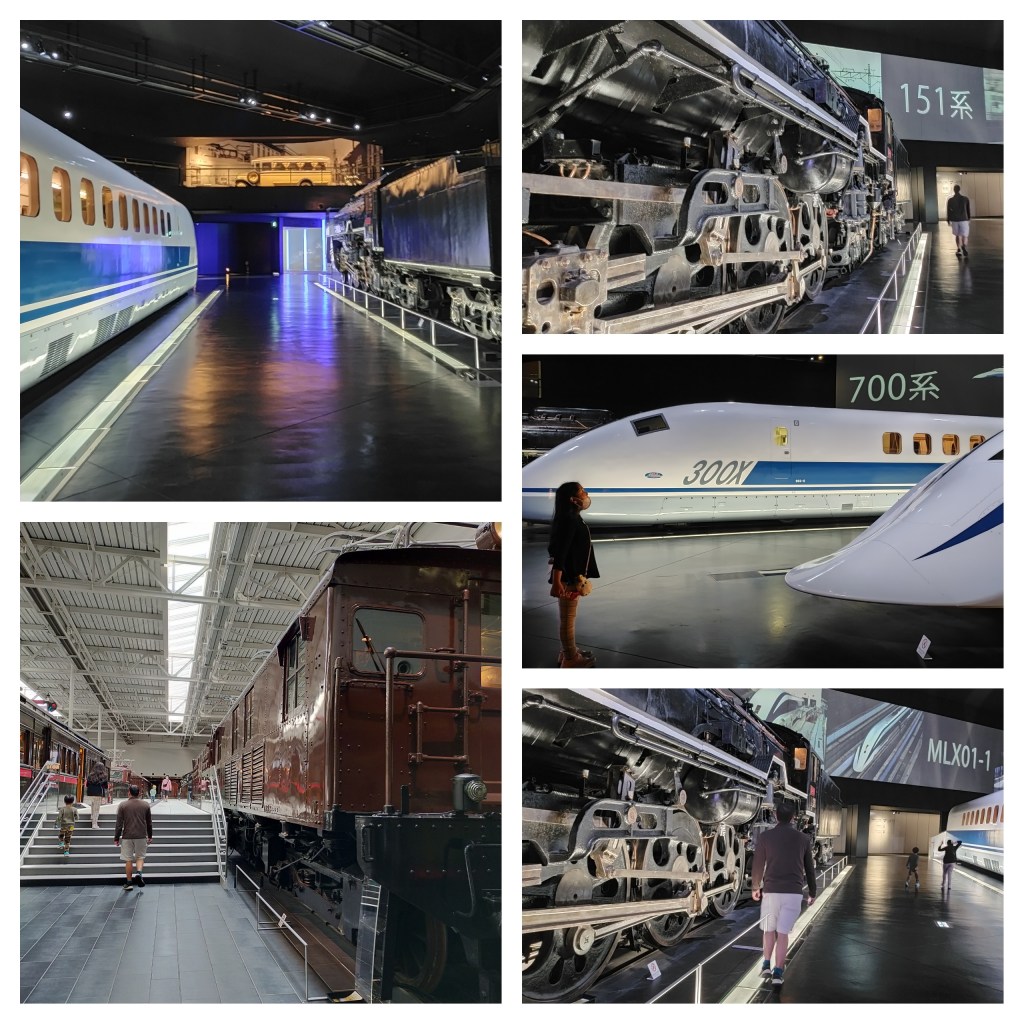
You don’t have to be a rail enthusiast to fully enjoy the museum either, as you can see and climb aboard 39 actual steam locomotives, electric and diesel railcars, Tokaido Shinkansen and even the exciting Maglev, Superconducting Magnetically Levitated Vehicle, set to link Nagoya and Tokyo in 40 minutes commencing from 2027!

The museum also features a number of World Speed Record setting trains, including the Fastest Narrow Gauge Steam Locomotive, the C62. A collection of 39 retired train cars are displayed in the museum. Many of these can be entered or viewed from underneath, and are accompanied by a host of exhibits explaining the different parts of the trains and all aspects of their operation and maintenance.
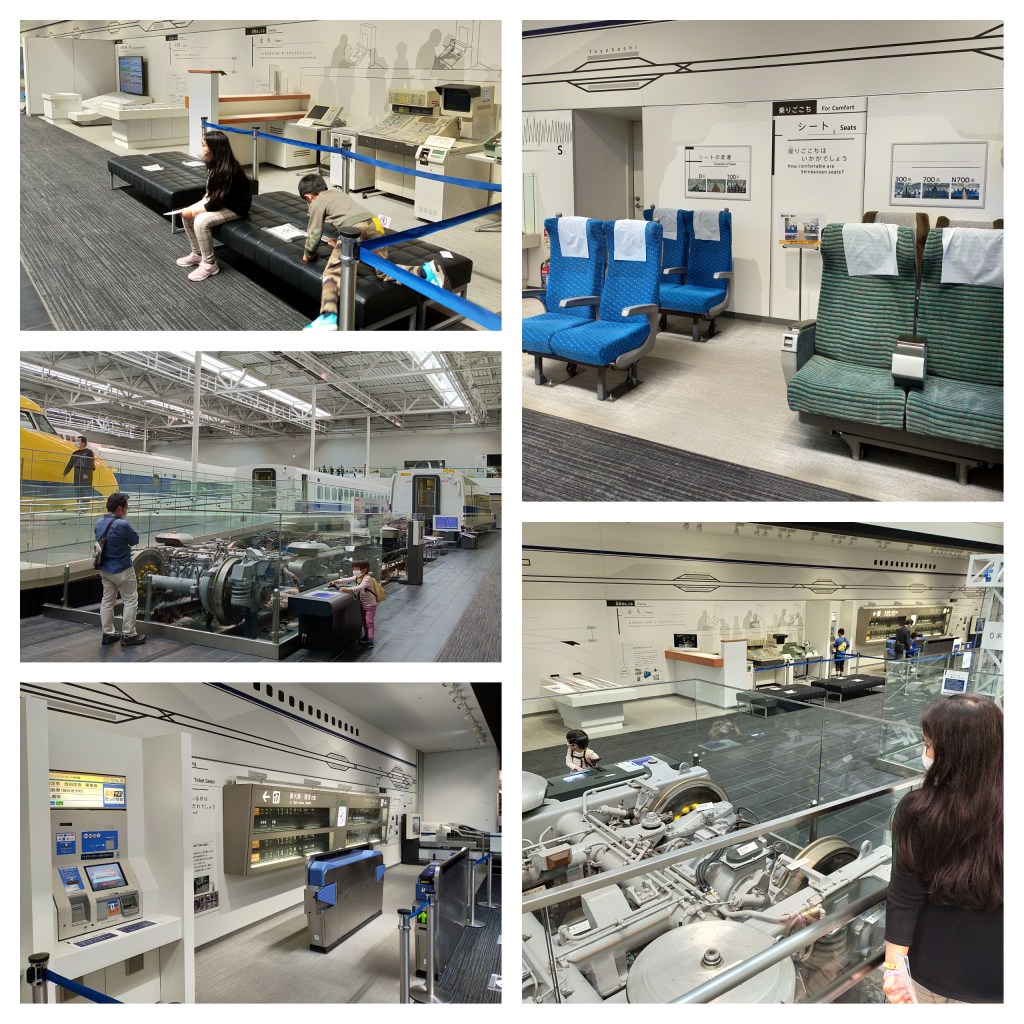
The second floor of the museum also has lots of learning experiences, which are specifically geared toward young children.
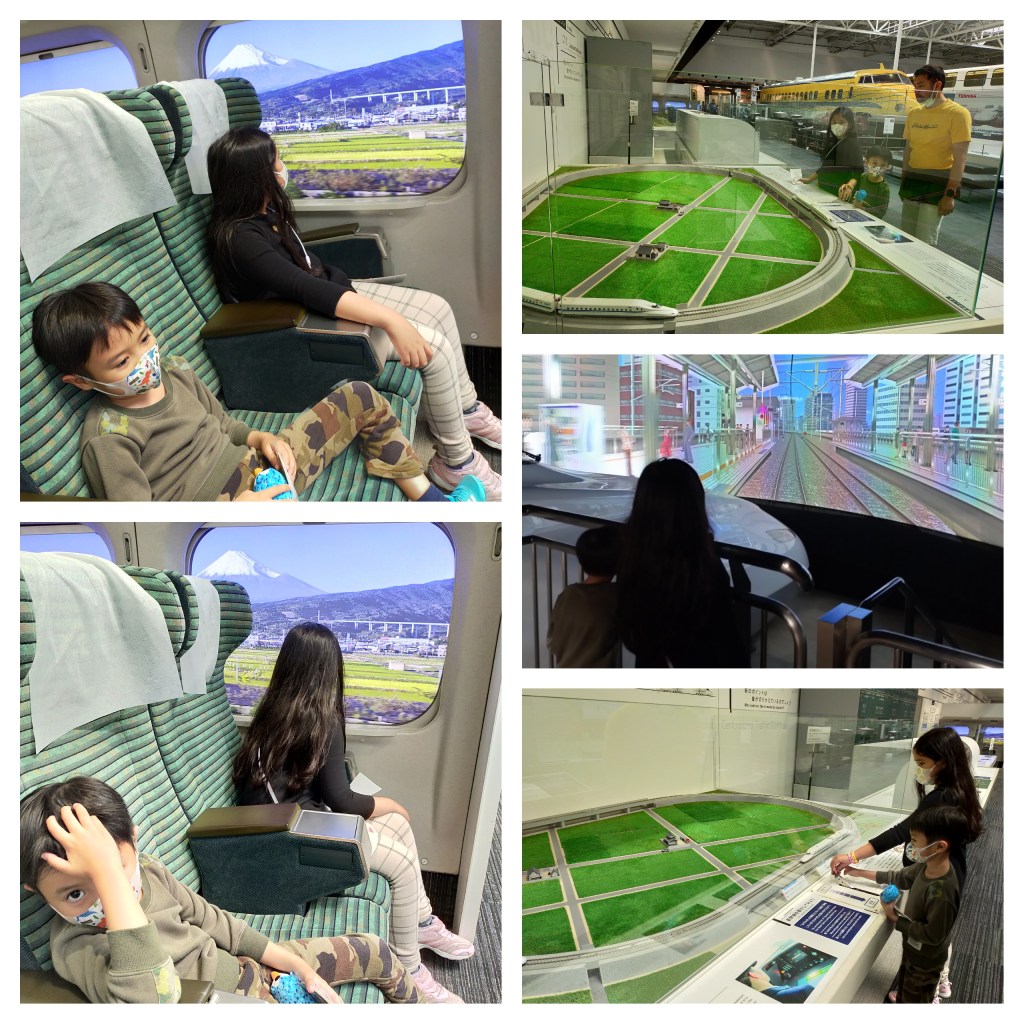
Some of the most popular attractions are the train simulators, which include driving simulators for conventional and shinkansen trains, and a train crew simulator where you can experience the duties of a train conductor in charge of opening and closing the doors. The simulators cost an additional fee and reservations must be made in advance at the museum information desk.

The museum also houses one of Japan’s largest train dioramas, with miniature trains running through incredibly detailed recreations of Osaka, Nagoya and Tokyo. Another collection displays historical artifacts from the early days of Japanese railways. An excellent English audio guide is available for rent which provides detailed explanations of all of the museum exhibits.
The Museum shop sells a wide range of railway souvenirs and memorabilia, and you can keep the kids quiet with train themed box lunches, sandwiches and drinks from the Delica Station. And that is our unique experience inside the huge train museum. We hope to get back someday and see lots of new things for this great public transportation that we use everyday. 🙂
 Where Did We Go