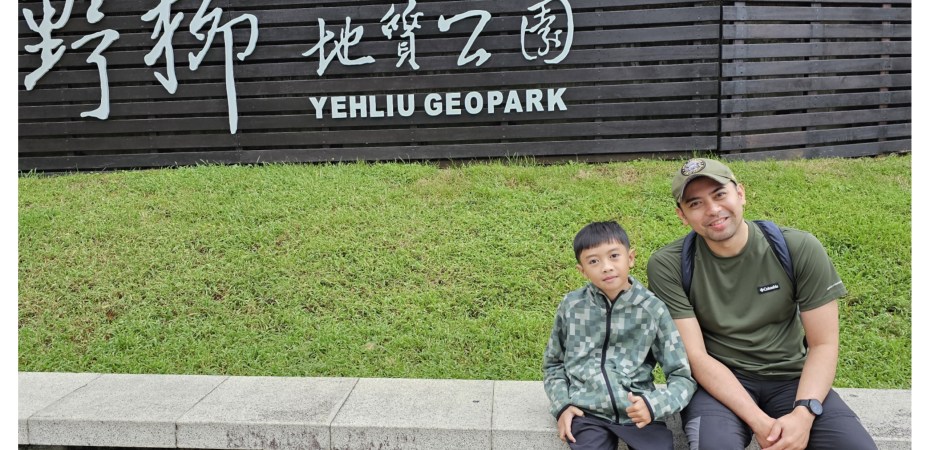
Our 335th entry in our digital diary is our first time trip to Yehliu Geopark, a geological marvel on Taiwan’s northern coast.
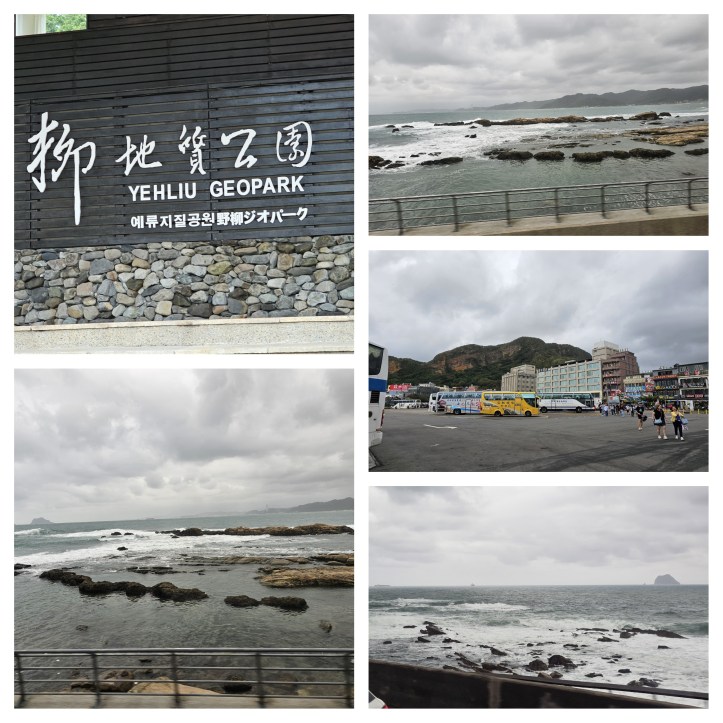
Located on a cape in Wanli District, New Taipei City, Yehliu Geopark stretches approximately 1.7 km into the ocean and spans around 24 hectares.
The cape is part of the Daliao Formation, dating to the Miocene epoch (10–20 million years ago). It was uplifted by tectonic activity that also created the nearby Datun Mountain Range.
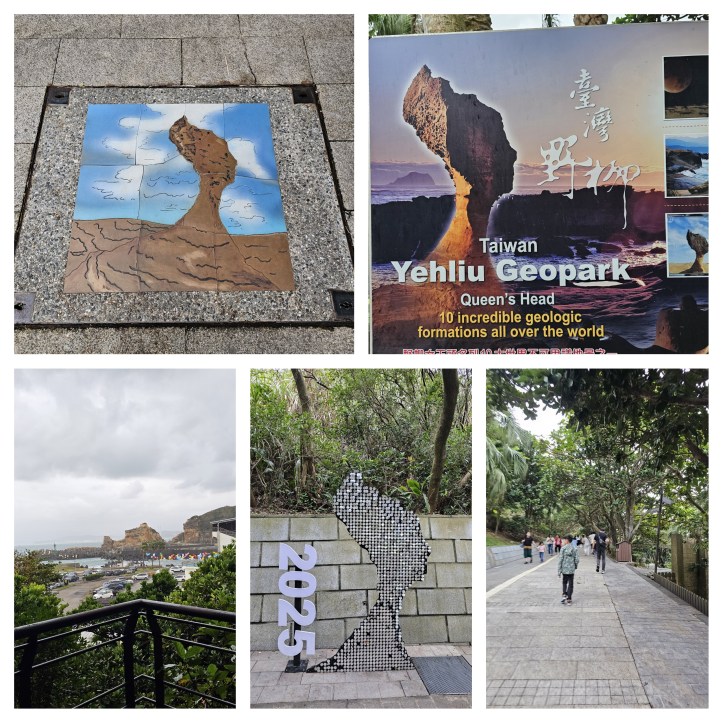
Yehliu is renowned for its hoodoo (pedestal or “mushroom”) rock formations, sculpted over millennia by marine erosion, weathering, and tectonic uplift. The most iconic is the “Queen’s Head”, resembling a royal silhouette. It has a neck circumference of about 125 cm and has taken over 4,000 years to form, eroding at 0.2–0.5 cm per year. Notice in the photo below, the neckline of “the Queen” is still thick during the 1960s compared to the photo above in the current year 2025.
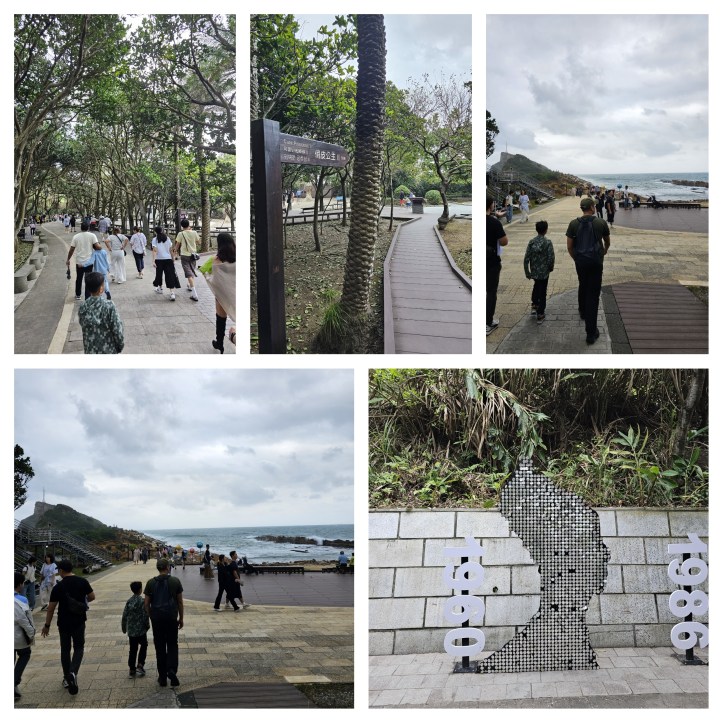
There are over 180 hoodoo stones in varying stages of erosion across the cape. These formations are composed entirely of the same soft sandstone, with their distinctive shapes resulting from differential erosion, not from the presence of harder capstones.
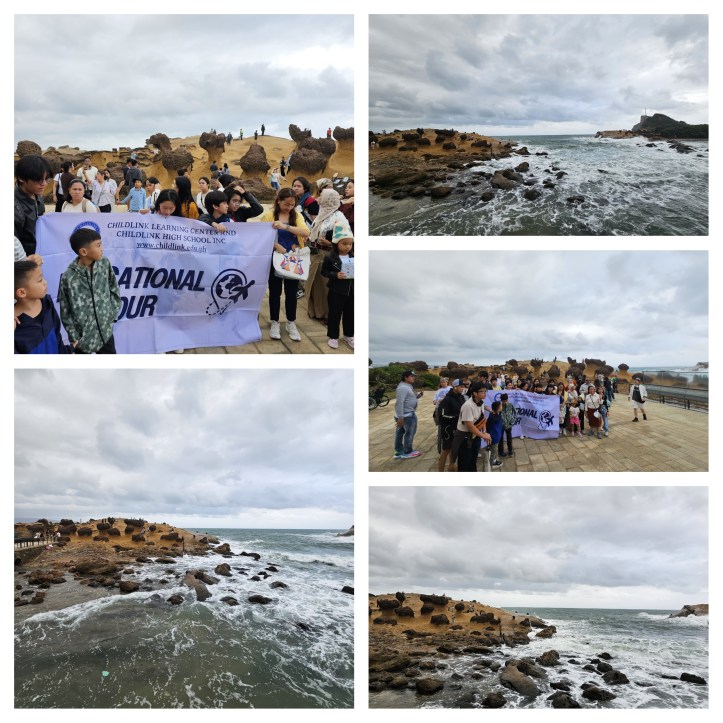
We are so glad this place is included in our educational tour. It is our first time to see such natural wonder. Looks like a chocolate chip cookie from afar, and we never expected it to be bigger than us when we go near the formations.
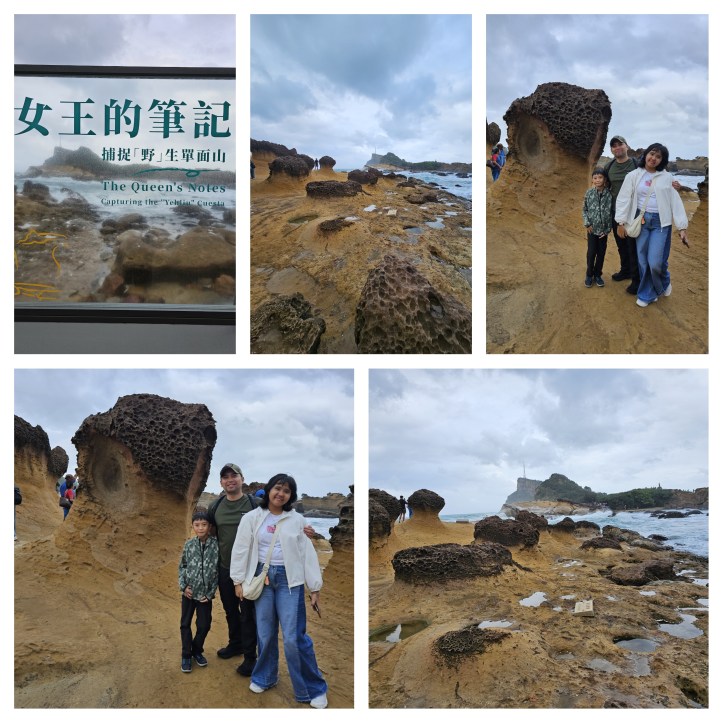
Other evocatively named formations include: Fairy Shoe, Candle Rocks, Beehive, Ginger Rocks, Sea Candles, Tofu Rocks (cubic, jointed sandstone resembling tofu).
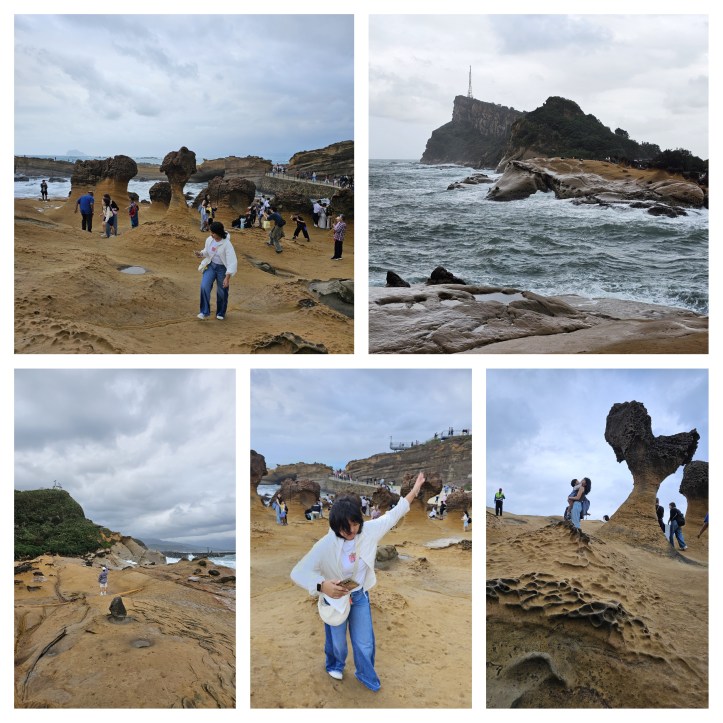
In 2001, Yehliu was officially designated as Taiwan’s first UNESCO Global Geopark, acknowledging its global geological value and promoting education, research, and sustainable tourism.
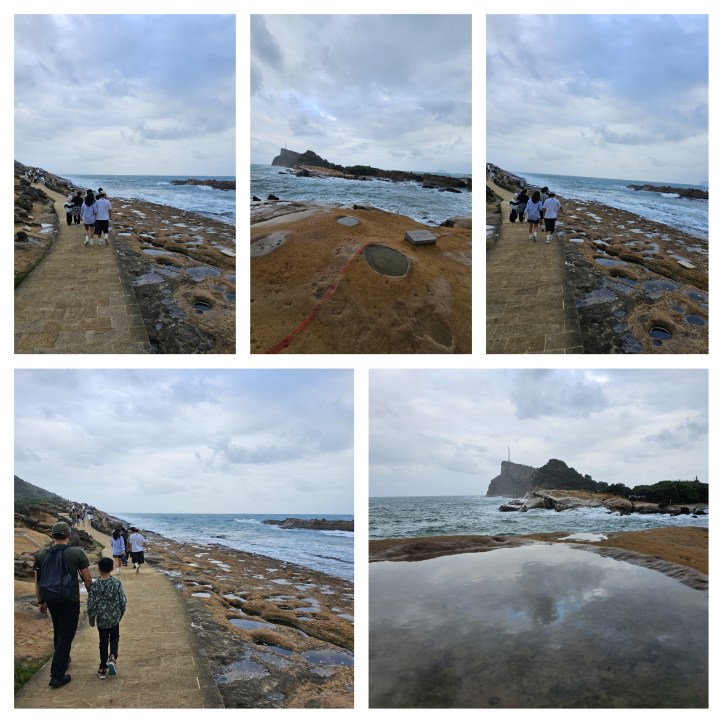
Annually, it attracts roughly 2.5 million visitors, reflecting its immense popularity. Conservation efforts include: Use of replicas and alternate rock displays to protect fragile formations. Infrastructure like visitor centers, guided tours, and designated walkways to guide foot traffic away from sensitive zones.
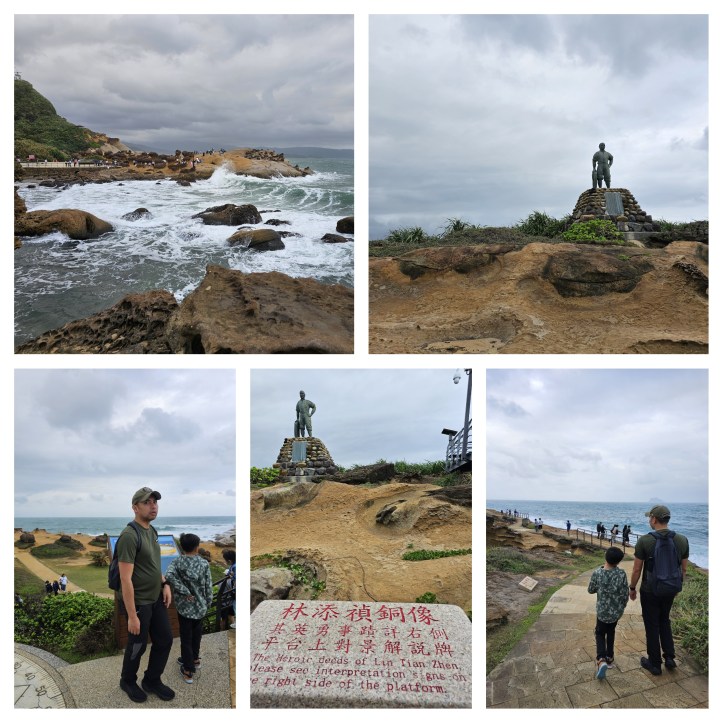
The cape supports various sea birds, marine life, and diverse coastal ecosystems, making it both a geological and ecological education site.
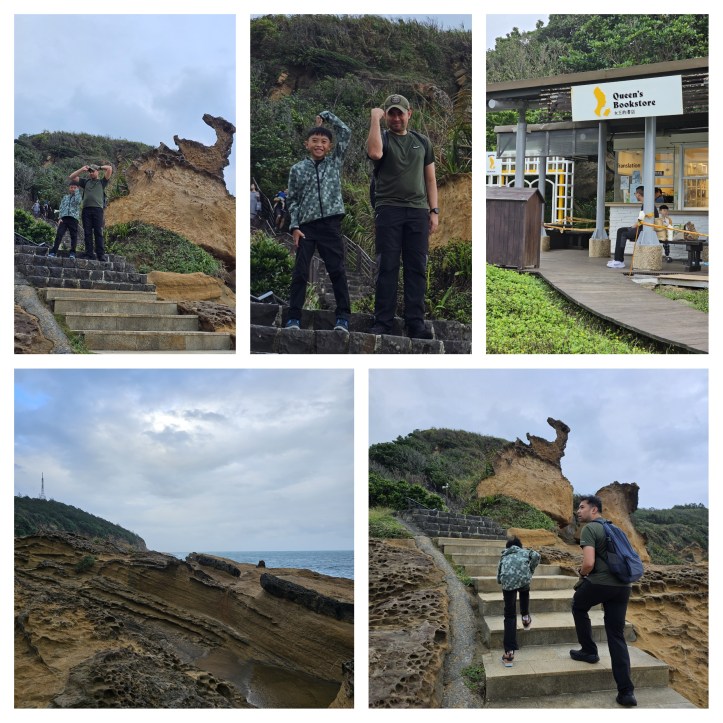
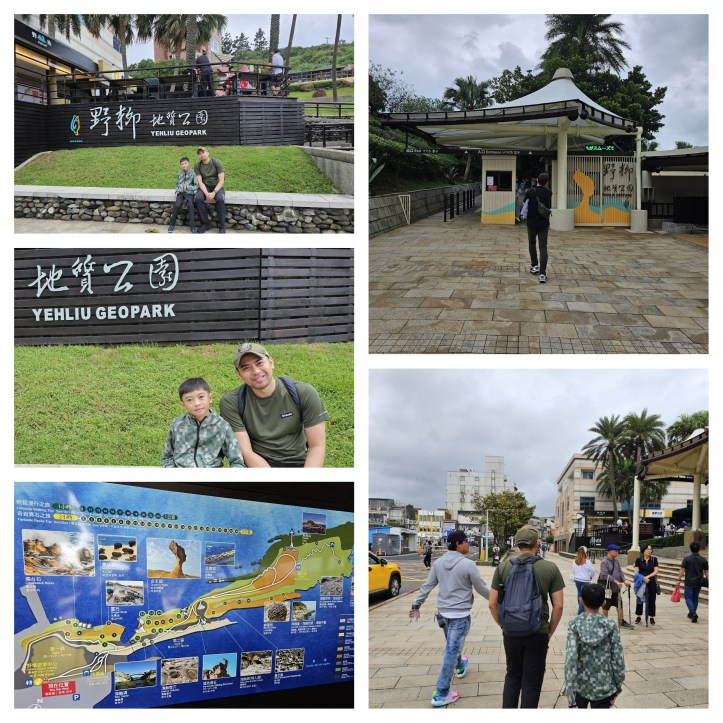
The park is divided into three main zones: (1) Entrance & coastal platforms – home to many mushroom and candle rocks. (2) Sea‑adjacent zone – featuring iconic formations like Queen’s Head, Dragon’s Head, Fairy Shoe. (3) Wave-cut platforms – cleaner ecological zones with features like “24 Filial‑Piety Hill” and “Pearl Rock”.
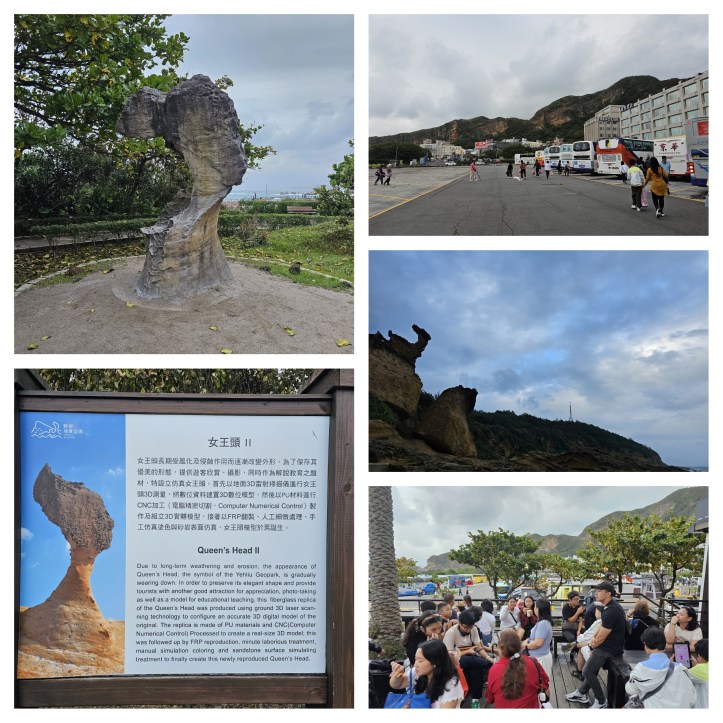
Yehliu Geopark is truly a natural sculpture gallery, showcasing the slow artistry of Earth’s forces—in erosion, uplift, and time. It’s a must‑visit destination if you’re drawn to both geological wonders and the beauty of coastal ecosystems.
 Where Did We Go