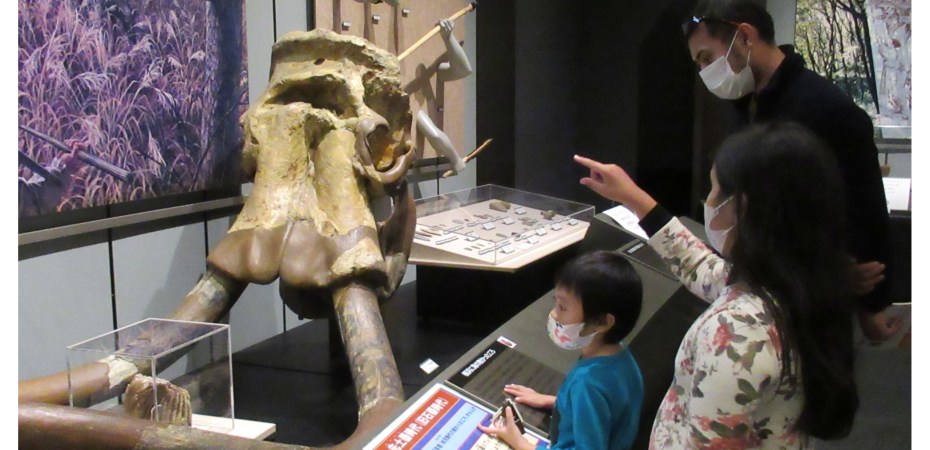
Our 125th entry in this blog is our trip to Yokohama History Museum in Kanagawa, Japan. This is everyone’s first time to visit this museum. Because of the pandemic this year, not much people come here even on weekends. But it is indeed a very nice museum and very much informative 🙂
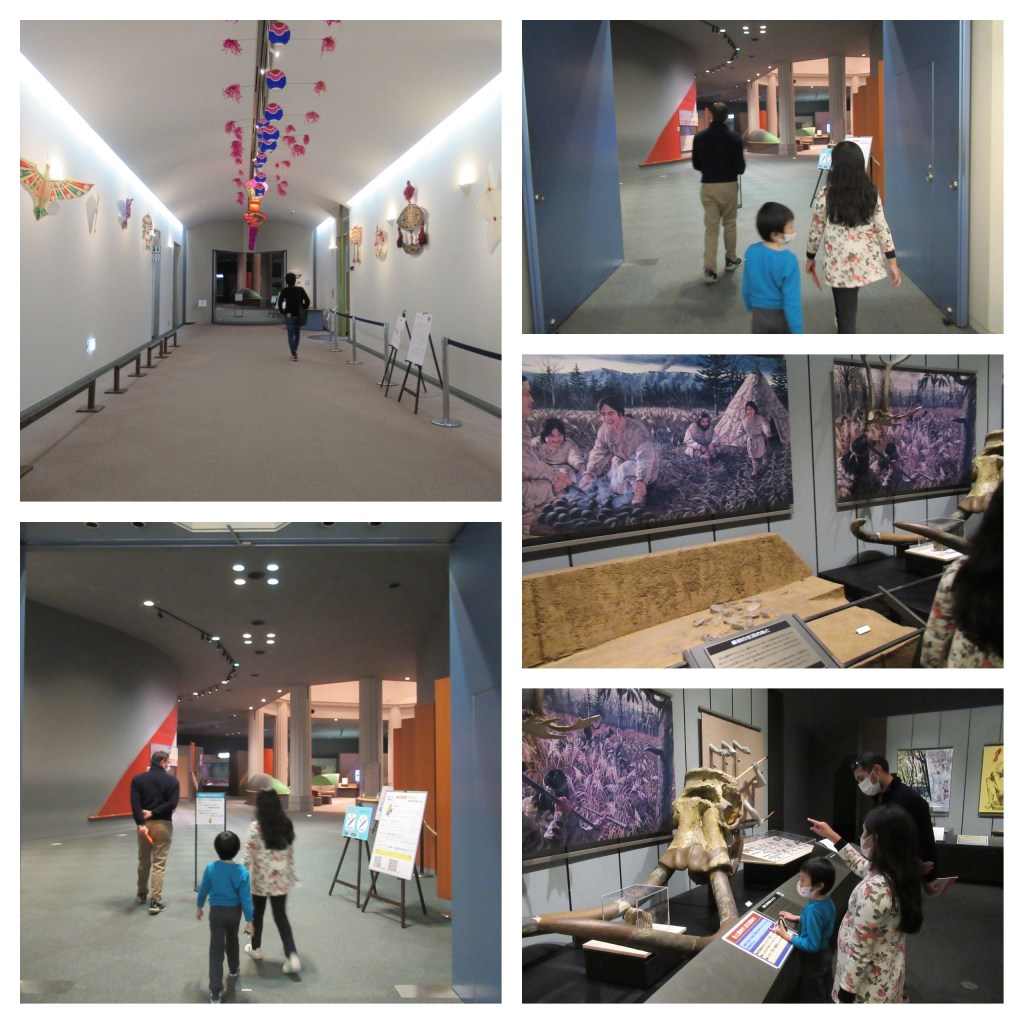
We went straight to the permanent exhibition gallery. The Permanent Exhibition illustrates the 30,000-year history of Yokohama under the basic theme of “how people lived” in this area. The gallery is divided into six chronological subthemes from Primitive to Modern. Primitive Period I shows the Paleolithic/Pre-Ceramic Period, when humans first arrived in Yokohama, and the Jomon Period, when they began using pottery. The museum introduced the lifestyle of people who lived in Yokohama, relying on the bounty of nature.
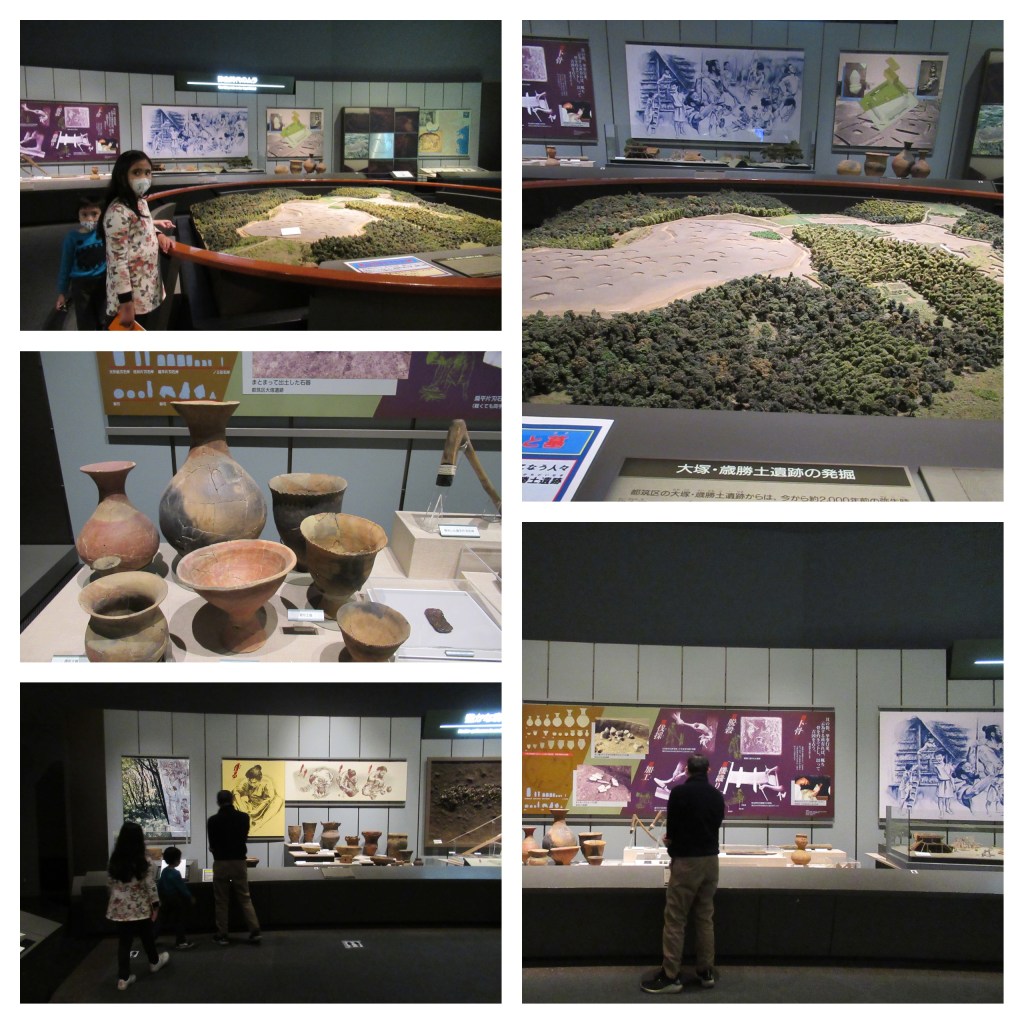
Primitive Period II showcases the Yayoi Period. This is the period between the start of rice paddy farming and the construction of the first kofun tombs, which in Yokohama was from around 400 B.C.E until the middle of the third century C.E.
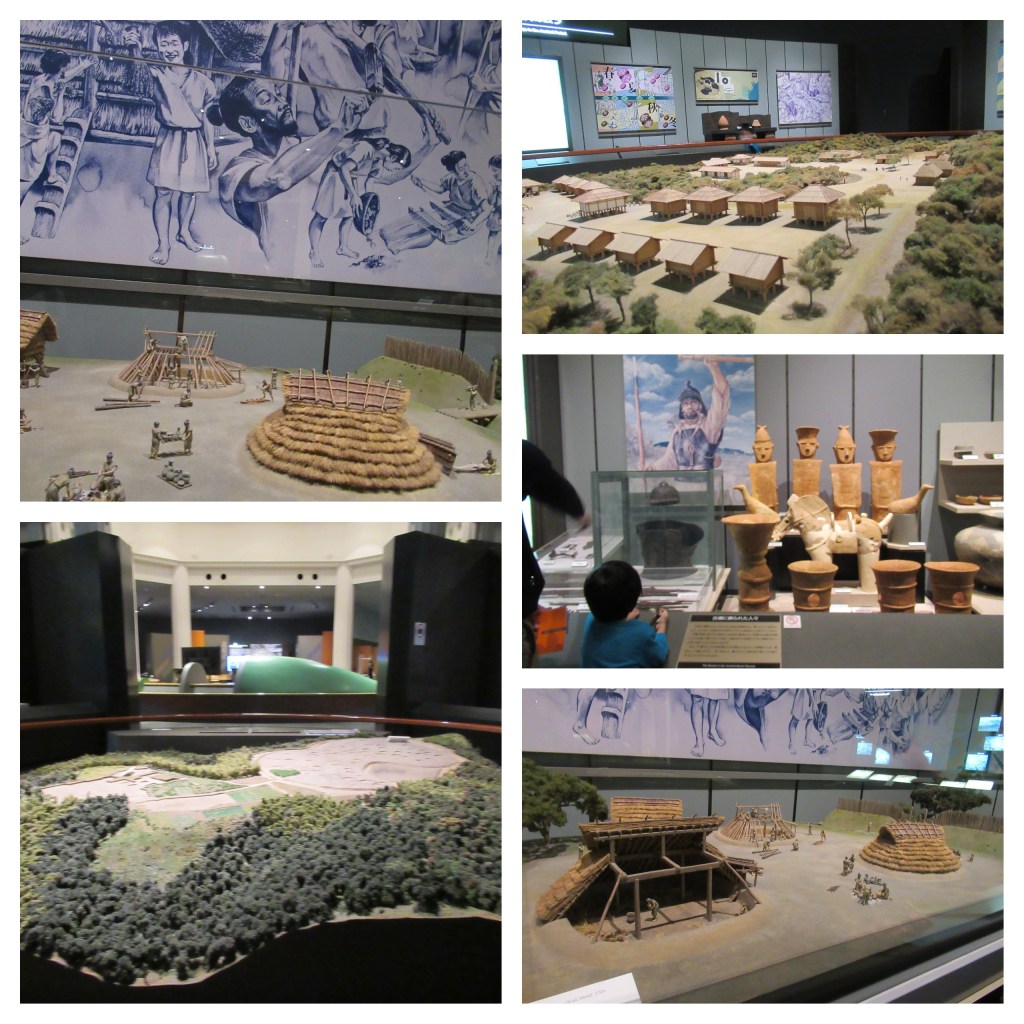
The Ancient Period covers the time from the Kofun Period through the Nara Period to the Heian Period.
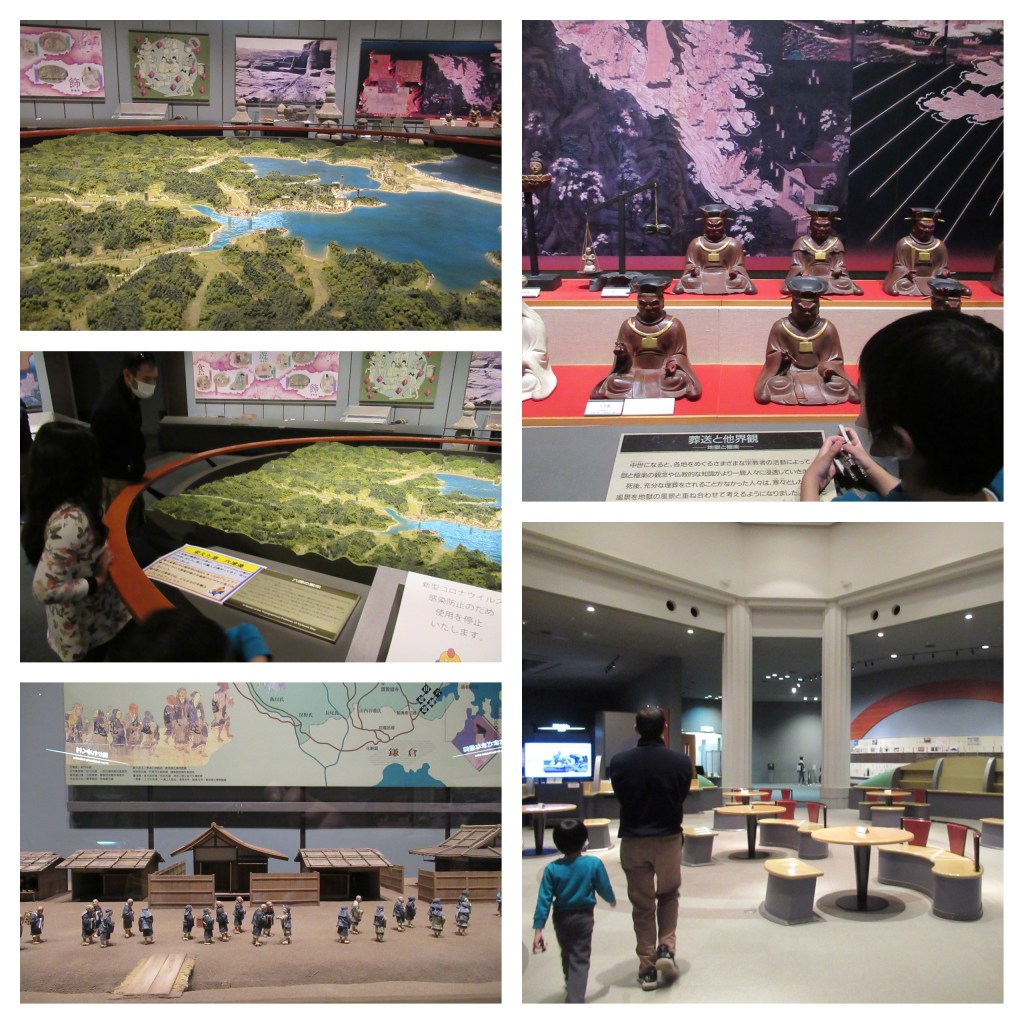
The Medieval Period shows the history of Yokohama during a roughly 400-year span from the end of the twelfth century to the end of the sixteenth century, which corresponds to the Kamakura, Nanboku-cho/Muromachi, and Warring States periods.
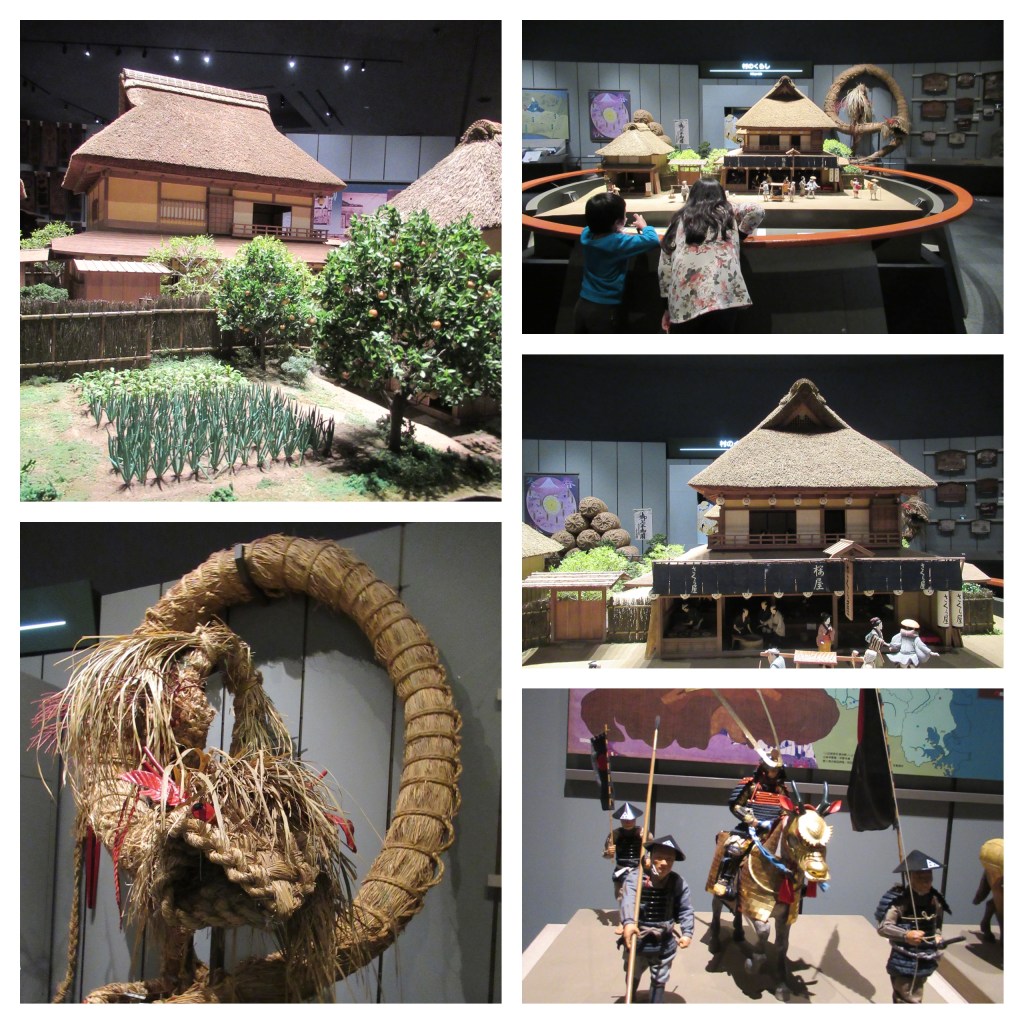
The Early Modern Period of the Tokugawa government based in Edo (present-day Tokyo) was an era of peace and stability. During the Tokugawa Period, there was large-scale development of new rice paddies in Yokohama, and numerous things and people came and went along the Tokaido Highway and various other roads.
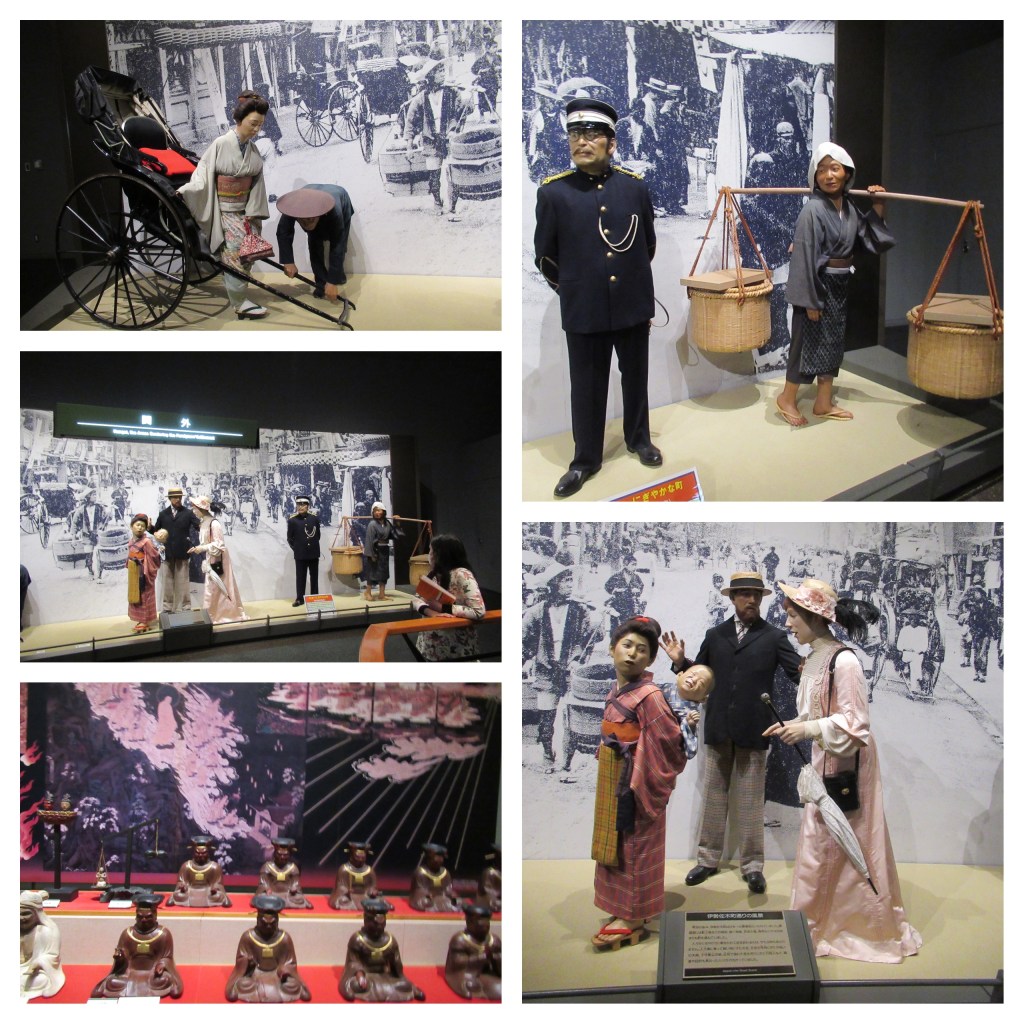
The Modern Period covers from the opening of the Port of Yokohama to the present day. The Museum also has a History Theater that presents 15-minute film about Yokohama’s 30,000-year history (in Japanese). There is also a Study Salon and Audio Visual Corner for some videos and other cultural properties of the museum. And that is our quick trip to the insides of the Yokohama History Museum, we are now heading to its outside park which is still part of the whole museum display (see our next blog for this) 🙂

